Maple Leaf Machine: A Designer’s Review for Boutique Apparel
As an embroidery designer who spends more time staring at digitized stitches than I do sleeping, I am always on the hunt for designs that bridge the gap between digital convenience and tangible quality. When I stumbled upon Maple Leaf Machine on Creative Fabrica, my immediate thought was not just about the aesthetic, but about its potential utility in a real-world boutique collection. For those of us running small clothing brands or Etsy shops, finding a versatile machine embroidery design that performs well across various garments is rare. This review breaks down how this specific outline flower design holds up under the scrutiny of professional apparel decoration.
First Impressions and Visual Personality
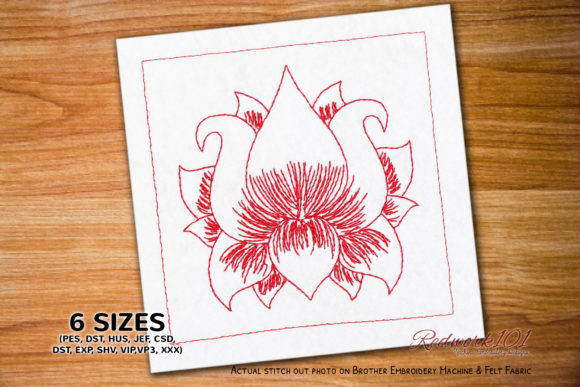
The visual personality of Maple Leaf Machine is understated yet confident. It falls squarely into the Outline Flowers category, which suggests a minimalist approach rather than a dense, fill-heavy motif. In the world of modern boutique branding, less is often more. The design exudes a rustic yet trendy vibe, making it suitable for both casual wear and slightly elevated lifestyle products. Because it utilizes only one color, the impact relies entirely on thread choice and fabric contrast. This simplicity is a strength; it allows the design to feel premium and intentional rather than cluttered.
For a designer planning a seasonal collection, this versatility is crucial. The stitching mood feels organic and fluid. It does not scream for attention but rather invites a closer look. This subtle decorative strength makes it ideal for customers who prefer classic, timeless pieces over loud, graphic statements. Whether you are aiming for a feminine touch on a pastel hoodie or a bold, rustic statement on a dark denim jacket, the single-color structure provides a clean canvas for your creative interpretation.
Performance Across Apparel Categories
When preparing a small sweatshirt or hoodie collection, placement is everything. I envision Maple Leaf Machine working exceptionally well for sweatshirt embroidery, particularly in small chest placements. On neutral sweatshirts, such as heather grey or oatmeal, a contrasting thread color can make the outline pop without overwhelming the garment. For pastel hoodies, using a tonal thread—such as sage green on mint fabric—creates a sophisticated, textured look that appeals to buyers seeking high-end handmade products.
The design also translates beautifully to sleeve accents. Because it is an outline-based embroidery file, it avoids the stiffness that dense fills can cause on curved surfaces like sleeves. This flexibility is vital for comfort and durability. On oversized garments, the design can be scaled up slightly for a back design, serving as a focal point that balances the volume of the fabric. For t-shirt embroidery, the light stitch density ensures the fabric remains breathable and soft against the skin, a key selling point for comfortable everyday wear.
Beyond apparel, this design is a strong contender for tote bag design projects. Canvas bags benefit from bold, clear lines, and the single-color nature of Maple Leaf Machine ensures quick production times while maintaining visual impact. For lifestyle product photos and printable mockups, the clean lines photograph beautifully, helping Etsy sellers create compelling social media graphics that drive customer engagement.
Technical Considerations for Professional Results
While the aesthetic appeal is clear, the technical execution requires careful planning. As with any commercial embroidery project, you must consider the fabric texture and stabilizer choice. Since this is an outline design, it may be prone to shifting if not properly stabilized, especially on stretchy fabric or fleece. I strongly recommend using a cut-away stabilizer for sweatshirts and hoodies to prevent puckering over time. For woven fabrics like denim jackets or tote bags, a tear-away might suffice, but testing is non-negotiable.
One critical aspect to review before production is the stitch density. Outline designs can sometimes have long jumps or sparse areas that may snag if not handled correctly during trimming. Inspect the digital embroidery file closely in your software. Check for any unnecessary travel stitches that could add bulk or visibility on dark garments. Thread color contrast is another pivotal factor. On dark apparel, ensure your thread has enough sheen or brightness to stand out. Conversely, on light fabrics, a matte thread might offer a more subtle, integrated look.
It is also essential to confirm hoop size compatibility. While the design appears compact, always verify that it fits within your standard hoops without requiring excessive re-hooping, which can lead to misalignment. Before committing to a full run of custom apparel, test on scrap fabric that matches your final garment material. This step helps you identify any tension issues or registration problems specific to your machine.
Enhancing Brand Identity and Value
Incorporating Maple Leaf Machine into your product line can significantly affect your brand identity. Consistent use of a signature motif helps build product recognition and buyer trust. When customers see a cohesive visual language across your finished product range, from cozy seasonal outfits to everyday basics, they perceive your brand as professional and thoughtful. This visual consistency is key to standing out in crowded marketplaces like Etsy.
Moreover, the efficiency of a single-color design allows for faster production times, which can improve your profit margins without sacrificing quality. This balance between aesthetic appeal and operational efficiency is what separates successful small shop products from hobbyist experiments. By choosing a design that is both visually striking and technically manageable, you enhance the perceived value of each item.
Final Designer Notes and Licensing
Before launching any collection featuring this design, always double-check the Creative Fabrica product details and licensing terms. Ensure that your intended use aligns with the license provided for commercial embroidery. While the product description lists a wide array of embroidery file formats including DST, PES, JEF, and VP3, it is wise to confirm that your specific machine reads these formats correctly. Additionally, verify the exact dimensions and stitch count in your digitizing software, as these details are not explicitly stated in the brief description.
Remember, the success of a machine embroidery design lies not just in the file itself, but in how it is applied. Pay attention to thread colors, stabilizer choices, and placement options. Compare different placement options on actual garments to see what resonates best with your target audience. Whether you are creating a rustic fall collection or a minimalist spring line, Maple Leaf Machine offers a solid foundation for high-quality, boutique-style apparel. With careful testing and thoughtful application, this outline flower design can become a staple in your creative arsenal, helping you deliver professional, engaging, and beautiful handmade products to your customers.