Diving Flipper: A Designer’s Review for Handmade Gifts
As an embroidery designer who has spent countless hours digitizing and stitching out thousands of designs, I have learned that the best machine embroidery files are not just about technical perfection. They are about emotional connection. When a customer orders a personalized gift, they are buying a feeling, a memory, or a celebration of passion. Recently, I had the pleasure of reviewing Diving Flipper, a charming design available on Creative Fabrica, and I was immediately struck by its potential for creating meaningful, high-quality handmade products.
This review is written from the perspective of a professional evaluating this asset for real-world client orders. Whether you are an Etsy seller looking to expand your summer collection, a small shop owner creating custom gear for local swim teams, or a hobbyist making gifts for loved ones, understanding the nuances of a design like Diving Flipper is crucial for your success.
First Impressions: Playful Energy Meets Clean Lines
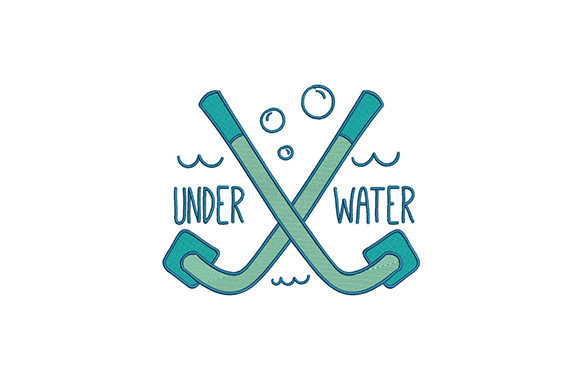
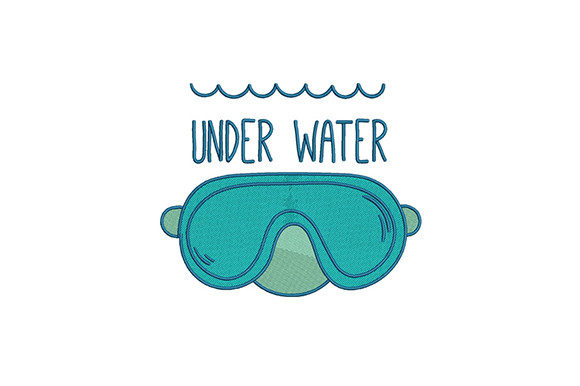
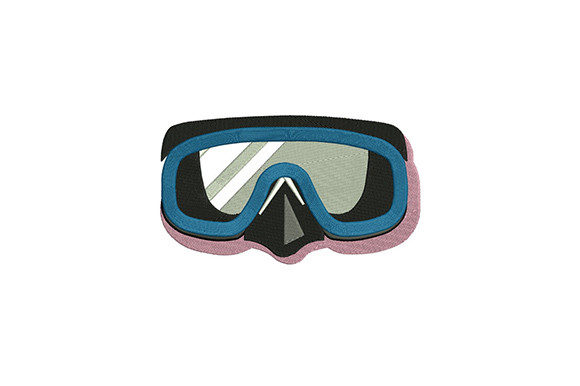
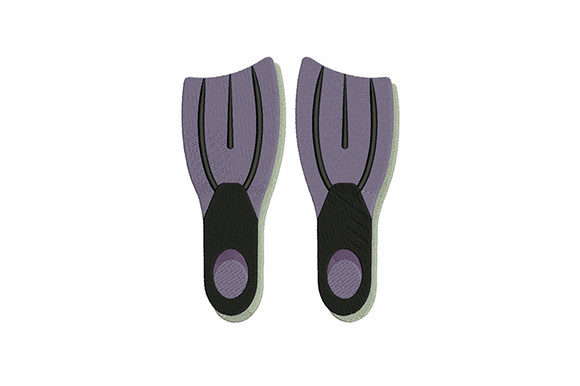
The first thing that catches my eye with Diving Flipper is its balance between simplicity and character. In the world of Creative Fabrica embroidery, it is easy to find overly complex designs that look impressive on screen but stitch out poorly on textured fabrics. This design, however, feels approachable and modern. It captures the essence of the Beach category without being cliché. The lines are clean, suggesting a playful yet elegant aesthetic that appeals to a wide demographic, from children to adults who love aquatic sports.
The visual softness of the design suggests it would work beautifully on a variety of materials. It does not scream for attention with aggressive density; instead, it invites the viewer to appreciate the craft. For a designer, this is a green light. It means the design is versatile enough to be used on delicate baby items as well as sturdy outdoor gear.
Versatility in Handmade Products
One of the strongest selling points of Diving Flipper is its adaptability. As a machine embroidery design, it needs to perform across different substrates. Here is how I envision this design fitting into various product lines:
- Baby Embroidery: Imagine this stitched onto a soft muslin swaddle or a hooded towel. The theme of water and movement is gentle enough for a nursery, making it a perfect choice for a baby shower gift.
- Wedding Gift and Keepsakes: For couples who met while traveling or who share a love for the ocean, this design can be personalized with their initials and wedding date on a high-quality linen pillow cover or a embroidered towel set.
- Active Wear and Gear: As the product description suggests, this is ideal for workout equipment, t-shirts, jackets, and backpacks. Stitching this onto a moisture-wicking hoodie creates a unique piece of athletic wear that stands out from mass-produced options.
- Home Decor: A tote bag featuring this design becomes more than just a carrier; it becomes a statement piece. It works equally well on canvas aprons for beachside cafes or decorative cushions for a coastal-themed living room.
For Etsy sellers and small business owners, this versatility means you can create multiple listings from a single digital embroidery file. You can offer it as part of a "Summer Essentials" bundle or a "New Parent" package, maximizing the value of your purchase.
Technical Considerations for Professional Results
While the aesthetic appeal is high, practical execution is where many crafters stumble. When working with a design like Diving Flipper, there are several technical factors to consider to ensure your finished product meets professional standards.
Fabric Texture and Stabilizer Choice
The texture of your base material will dramatically change the outcome. If you are stitching on a plush, looped embroidered towel, the small details might get lost if the stitch density is too low. Conversely, on smooth cotton or polyester blends, the design will pop. Always use the appropriate stabilizer. For stretchy fabrics like t-shirts or baby clothes, a cut-away stabilizer is essential to prevent puckering. For woven fabrics like tote bags or aprons, a tear-away might suffice, but test first.
Thread Colors and Contrast
Since this is a sports-themed design, vibrant thread colors often work best. However, do not shy away from monochromatic schemes for a more sophisticated look. If you are stitching on dark fabric, such as a navy blue jacket, ensure you use high-contrast threads so the flipper shape remains visible. Always check your thread chart against the fabric color before starting the final run.
Stitch Density and Detail
Without specific technical data provided in the brief, I must advise caution regarding stitch density. Delicate shapes can sometimes pull or distort if the density is too high for lightweight fabrics. Create a test stitch-out on a scrap piece of the same fabric you intend to use for the final product. This allows you to check for registration issues and ensure that small elements remain crisp.
Building Trust Through Quality
In the handmade market, perceived quality is everything. A well-executed Diving Flipper embroidery signals to the buyer that care and expertise went into the creation. This builds trust and encourages repeat business. When customers see clean edges, proper tension, and thoughtful placement, they perceive higher value. This is particularly important for commercial embroidery projects where brand reputation is on the line.
Furthermore, the emotional value of a personalized item cannot be overstated. A blanket with this design is not just a blanket; it is a reminder of family vacations, a love for the ocean, or a child’s first swimming lessons. By choosing a design that resonates emotionally, you enhance the giftability of your products.
Practical Steps Before You Sell
Before listing Diving Flipper in your shop or using it for client orders, take these professional steps:
- Review Licensing: Always check the product details and licensing terms on Creative Fabrica. Ensure that the license covers commercial use if you plan to sell physical items.
- Confirm Hoop Size: Verify that the design fits within your machine’s hoop size. If resizing is necessary, do so carefully to avoid distorting the aspect ratio.
- Create Printable Mockups: Use high-quality photos of your test stitches to create printable mockups for your online listings. Show the design on different items to help buyers visualize the final product.
- Test Washing Durability: Wash and dry your test sample to ensure the threads do not bleed or fray. This is critical for items like towels and baby clothes that undergo frequent laundering.
In conclusion, Diving Flipper is a strong contender for any embroidery designer’s library. It offers a blend of playful charm and technical versatility that suits a wide range of handmade products. By paying attention to fabric choice, stabilizer selection, and stitch quality, you can transform this digital file into cherished keepsakes that delight customers and elevate your brand. Whether you are creating a unique wedding gift or stocking your Etsy shop with summer-ready gear, this design provides a solid foundation for creative and commercial success.