Review: Basic Stitch Sampler for Holiday Crafts
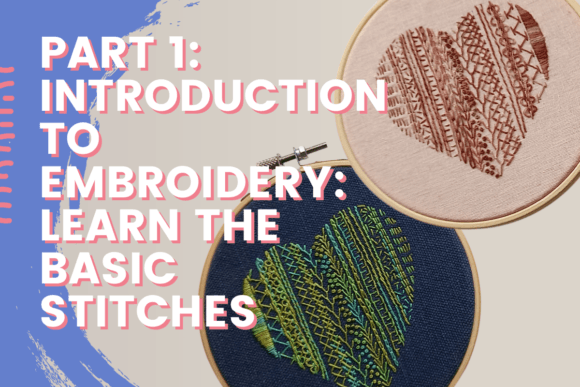
As an embroidery designer who spends months planning seasonal collections, I am always on the lookout for resources that bridge the gap between technical skill and marketable appeal. When I first encountered Introduction to Embroidery Learn the Basic Stitches to Make a Sampler - Part 2, my immediate thought was not just about learning, but about application. In the high-stakes world of holiday sales, having a versatile, stylish foundation is crucial. This class, led by textile artist and felt craft business owner Rebecca Tamisari, offers more than just instruction; it provides a blueprint for creating products that resonate with the cozy, nostalgic, and premium aesthetics customers crave during the festive season.
The Aesthetic Appeal for Seasonal Collections
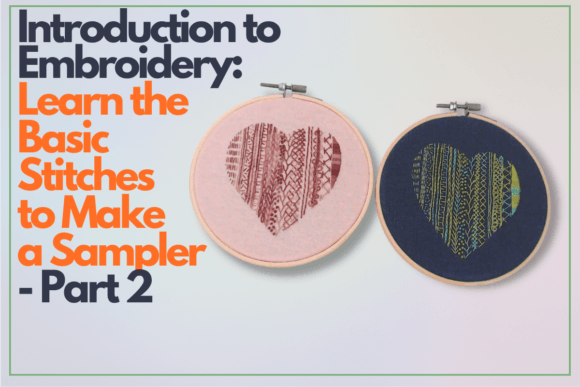
The first impression of this sampler design is one of understated elegance. It does not scream for attention with flashy, over-saturated colors but rather invites the viewer in with a sense of crafted authenticity. For holiday product creators, this is gold. The current trend in handmade gifts leans heavily toward rustic, modern, and minimalist styles. A stitch sampler hoop embodies these values perfectly. It feels educational yet decorative, making it an ideal centerpiece for home decor or a sophisticated addition to a gift bundle.
The emotional tone of the design is warm and inviting. It evokes memories of grandmother’s sewing rooms and the slow, deliberate joy of creating something by hand. This nostalgia is a powerful driver in holiday shopping. When I visualize this sampler, I see it fitting seamlessly into a collection of winter-themed items. It pairs beautifully with neutral palettes—creams, soft grays, and muted greens—that dominate modern Christmas and winter solstice decor. Whether you are an Etsy seller looking to refresh your shop or a small business owner aiming for a cohesive brand image, this aesthetic offers a premium feel without requiring complex, high-density stitching that can overwhelm delicate fabrics.
Practical Applications for Holiday Products
While the primary output of Introduction to Embroidery Learn the Basic Stitches to Make a Sampler - Part 2 is a hoop art piece, the techniques and visual style taught here have far-reaching implications for commercial embroidery. As a designer, I look at every new pattern and ask: "How does this translate to sellable goods?" Here is how this class influences real-world product creation:
- Sweatshirt Embroidery: The basic stitches learned here can be isolated and applied to cuffs or chest pockets of oversized sweatshirts. A single, well-executed satin stitch leaf or a French knot cluster can turn a plain garment into a trendy, personalized gift.
- Kitchen Towel Embroidery: Holiday hosting is huge, and embroidered linens are perennial bestsellers. The sampler techniques allow for durable, washable designs on flour sack towels. Think monograms or simple seasonal motifs like holly or snowflakes executed with the precision taught in this class.
- Tote Bag Design: Canvas totes are staples for gift-giving. Using the structural stitches from the sampler, you can create robust handles or corner reinforcements that double as decorative elements, adding value to a simple bag.
- Pillow Covers and Home Decor: A full sampler hoop makes a stunning wall hanging, but individual elements can be scaled up for pillow covers. The texture created by varied stitches adds depth to living room decor, perfect for the cozy winter months.
- Embroidered Patches: Create small, iron-on patches using the sampler motifs. These are excellent for upselling at craft fairs or including as freebies in orders to boost customer loyalty.
Navigating Technical Challenges in Production
While the design is beautiful, practical execution requires careful consideration. Not every fabric or item is suitable for every stitch type. When adapting lessons from Introduction to Embroidery Learn the Basic Stitches to Make a Sampler - Part 2 for commercial products, keep these constraints in mind:
Fabric Texture and Stabilizer: The sampler likely involves a mix of dense and open stitches. On thick towels or heavy denim, you must use a cut-away stabilizer to prevent puckering. Conversely, on lightweight linen for pillow covers, a tear-away might suffice, but test thoroughly. The fabric texture dictates the thread choice; matte cotton threads often look more authentic and premium than shiny polyester for this rustic style.
Hoop Size and Detail Level: If you are scaling down motifs for small items like baby bibs or ornaments, be wary of tiny lettering or intricate layered details. What looks clear in a 6-inch hoop may become a muddy mess in a 2-inch space. Always check stitch density. High-density areas on stretchy garments, like sweatshirts, can cause distortion. Use proper hooping techniques and consider using a water-soluble topping for textured fabrics like terry cloth to ensure clean stitches.
Thread Colors and Dark Fabric: The sampler teaches color blending, which is vital for seasonal themes. However, when working on dark fabric, such as navy or black apparel, standard threads may not pop. You may need to adjust thread colors or use a lighter underlay. Test your digital embroidery file on both light and dark swatches before committing to a production run.
Boosting Sales Through Educational Storytelling
One of the most powerful aspects of offering a product rooted in Classes like this is the story it tells. Customers are not just buying an object; they are buying into a narrative of craftsmanship. For Etsy sellers and small shop owners, this is a marketing advantage. You can create printable mockups and social media previews that show the "behind the scenes" process. Share videos of the stitches being formed. Explain the care that goes into each handmade gift.
This transparency builds trust. When a buyer sees that you understand the intricacies of stitch density and thread colors, they perceive higher value. It differentiates your small shop product from mass-produced imports. Furthermore, offering personalized options—such as adding a name in a stitch style learned from the sampler—increases the perceived uniqueness of the item. This is particularly effective for family matching items or commemorative gifts.
Final Designer Notes for Commercial Use
Before integrating these techniques into your holiday lineup, ensure you have the right permissions. While learning from Rebecca Tamisari is invaluable, always confirm commercial licensing if you are using specific digital embroidery file patterns provided in the course for mass production. If the class focuses on hand embroidery techniques, remember that machine replication requires digitizing skills. Ensure your digitized versions maintain the artistic integrity of the original sampler.
Create realistic mockups that show the texture of the thread against the fabric. Avoid overly polished, flat images. Show the shadows, the sheen, and the imperfections that prove it is handmade. This authenticity drives engagement during the busy holiday shopping period. Whether you are creating a limited edition apparel drop or stocking up on home decor, the foundational skills from Introduction to Embroidery Learn the Basic Stitches to Make a Sampler - Part 2 provide a solid base for creating products that are not only beautiful but also commercially viable.
In conclusion, this class is more than a tutorial; it is a resource for elevating your craft business. By understanding the interplay of stitch, fabric, and design, you can create seasonal offerings that stand out in a crowded market. From the initial sketch to the final finished product, let the principles of this sampler guide your creative decisions, ensuring every item you sell carries the warmth and quality that holiday shoppers desire.