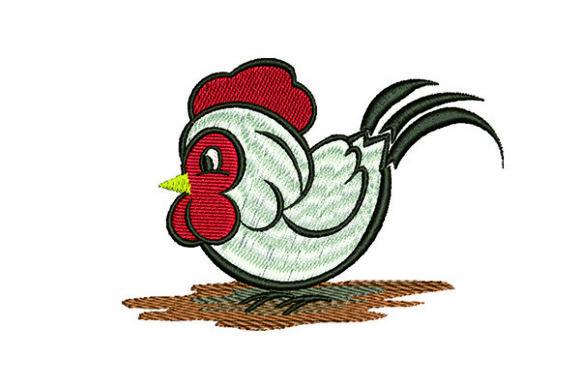
Reviewing Cute Chicken for Holiday Collections
As an embroidery designer who spends half the year planning for peak holiday sales, I am always on the lookout for designs that bridge the gap between whimsical charm and commercial viability. When I first loaded the Cute Chicken machine embroidery design into my software, my immediate reaction was one of relief. In a market saturated with complex, high-stitch-count motifs, this design offers a refreshing simplicity that does not sacrifice character. It feels playful yet polished, striking a balance that is essential for modern handmade gifts.
This adorable chicken embroidery is so versatile. Use it to add some color and cuteness to children's clothes, pajamas, towels, home decor, and so much more. This machine embroidery design comes with multiple formats, making it accessible for various hoop sizes and machines. For those of us in the Farm Animals category, finding a design that appeals to both children and adults is rare, but this piece manages to capture a rustic, cozy aesthetic that fits perfectly into seasonal collections.
First Impressions and Seasonal Mood
The emotional tone of Cute Chicken is undeniably warm. It evokes feelings of nostalgia and comfort, which are critical drivers during the holiday shopping season. Whether you are targeting Easter baskets or autumn harvest themes, the design’s clean lines and friendly expression make it adaptable. It does not scream "holiday" in a way that limits its shelf life to a single week; instead, it offers a timeless appeal that enhances the perceived value of any finished product.
From a decorative style perspective, the design leans towards a modern rustic vibe. It is not overly detailed, which is a significant advantage for production efficiency. Lower stitch density means faster run times, allowing small shop owners to produce inventory more quickly during the rushed weeks leading up to major celebrations. This efficiency is crucial for maintaining profit margins while meeting customer demand for personalized gifts.
Strategic Product Applications for Sellers
When building a seasonal shop collection, versatility is key. Here is how I envision integrating this embroidery file into a diverse product lineup:
- Sweatshirt Embroidery: Place the design on the left chest of adult hoodies or centered on youth sizes. The simplicity ensures it remains legible even on textured fleece fabrics.
- Kitchen Towel Embroidery: This is a top seller for housewarming and holiday gifts. The design pops beautifully against white or cream linen, adding a touch of farmhouse charm.
- Tote Bag Design: Canvas bags benefit from bold, simple shapes. Cute Chicken provides a focal point that is easily recognizable from a distance, ideal for craft fair displays.
- Pillow Cover Accents: Use it as a central motif on neutral-toned pillow covers to create cozy home decor items that appeal to buyers looking to refresh their living spaces for the season.
- Embroidered Patch Creation: Digitize or use the existing file to create iron-on patches. These can be sold as standalone accessories or added to denim jackets and backpacks.
For Etsy sellers, this design supports the creation of gift bundles. Imagine a set including a matching apron and kitchen towel, or a baby onesie paired with a burp cloth. These coordinated sets increase average order value and enhance the giftability of your offerings.
Navigating Technical Challenges
While the design is robust, there are specific scenarios where caution is required. As an experienced decorator, I advise testing the embroidery file on various fabric textures before committing to large batches. Thick towels, for instance, may require a stronger stabilizer to prevent puckering, especially if the stitch density is concentrated in small areas.
Dark fabric presents another challenge. If you plan to offer this design on navy or black garments, ensure you use high-quality, bright thread colors to maintain contrast. Metallic thread can add a festive sparkle for holiday editions, but it may require slower machine speeds to prevent breakage. Additionally, when working with stretchy garments like pajamas, proper hooping and stabilizer selection are non-negotiable to ensure the design does not distort after washing.
Small hoop sizes should be approached with care. While the design is scalable, shrinking it too much may cause tiny details to merge or become indistinct. Always check the minimum recommended hoop size provided with the digital embroidery file. For curved caps, consider using a cap frame and adjusting the pull compensation to account for the fabric's curvature.
Enhancing Brand Consistency and Trust
Incorporating Cute Chicken into your lineup can strengthen brand consistency if your shop focuses on wholesome, family-oriented products. The design’s approachable nature builds customer trust, signaling that your brand values quality and charm. During holiday shopping periods, visual recognition is vital. A consistent use of such distinctive, cute motifs helps your social media previews stand out in crowded feeds.
Creating realistic mockups is an essential step in this process. Use printable mockup templates to show customers how the design looks on different products. This reduces return rates by setting accurate expectations. Furthermore, confirming commercial licensing before selling finished seasonal products is mandatory. Ensure you understand the terms associated with this machine embroidery design to protect your business legally.
Practical Designer Notes for Production
To maximize the success of this design in your small shop product line, follow these practical steps:
- Test Thread Colors: Run test stitches on both light and dark fabric to determine the most vibrant color combinations. Earthy tones work well for rustic themes, while pastels suit spring collections.
- Check Stitch Density: Review the design settings in your software. If the density is too high for delicate fabrics, consider adjusting it to prevent fabric damage.
- Confirm Hoop Size: Verify that the design fits comfortably within your standard hoops without requiring excessive re-hooping, which can slow down production.
- Use Proper Stabilizer: Match the stabilizer to the fabric weight. Cut-away stabilizers are often best for garments that will undergo repeated washing.
- Review Small Details: After stitching, inspect the eyes and beak area closely. These small features define the character of the chicken and must be crisp.
- Plan Matching Color Palettes: Develop a cohesive color story for your seasonal collection. Pair the chicken design with complementary fonts and secondary motifs for a unified look.
Ultimately, Cute Chicken is more than just a decorative element; it is a strategic asset for embroidery sellers. Its ability to adapt to various products, from home decor to apparel, makes it a valuable addition to any digital library. By understanding its technical requirements and leveraging its emotional appeal, you can create high-demand items that resonate with buyers seeking unique, handmade gifts. Whether you are decorating sweatshirts for a family reunion or creating kitchen linens for a holiday hostess gift, this design delivers the perfect blend of professionalism and playfulness.