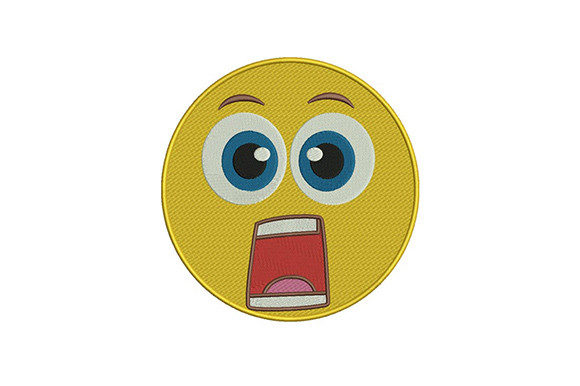
Shocking Emoji: A Designer’s Review for Branded Merch
As an embroidery designer who has spent years digitizing logos and testing files for small business clients, I approach every new machine embroidery design with a critical eye. It is not just about whether the image looks cute on a screen; it is about how it performs under the needle, how it wears over time, and how it elevates a brand. Recently, I reviewed the Shocking Emoji, a digital asset categorized under Family and Embroidery, to determine its viability for commercial use. This review focuses on its application for branded patches, staff uniforms, and handmade merchandise.
First Impressions and Visual Personality
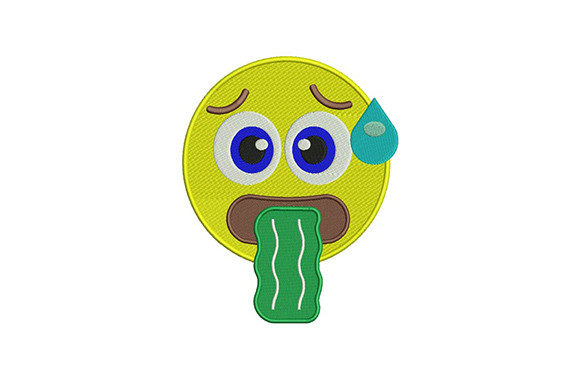
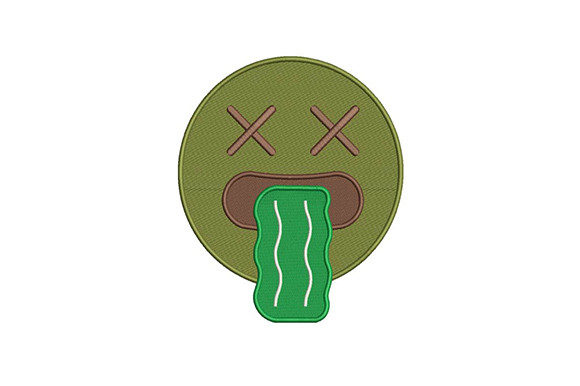
The Shocking Emoji immediately stands out due to its bold expression. In the world of branding, emojis have transitioned from casual text substitutes to legitimate graphic elements that convey tone quickly. This specific design promises to add character and personality to creative projects. Visually, it feels playful yet modern. It does not attempt to be rustic or overly elegant; instead, it leans into a clean, contemporary aesthetic that works well for businesses wanting to appear approachable and fun.
For a boutique coffee shop, a creative studio, or a pet brand, this level of playfulness can break the ice with customers. However, for corporate law firms or high-end luxury retailers, the vibe might be too casual. The key takeaway here is context. The design is versatile enough to look great when stitched on almost any fabric you choose, but its impact relies heavily on where you place it within your broader brand identity.
Real-World Applications for Small Business Merch
When evaluating a digital embroidery file for commercial purposes, I always imagine the final finished product. Here is how the Shocking Emoji performs across various common merchandise items:
- Embroidered Patches: This is arguably the best use case. A patch allows for controlled density and easy application. You can sew these onto denim jackets, canvas tote bags, or even laptop sleeves. The bold lines of an emoji typically translate well to patch formats, ensuring visibility even from a distance.
- Staff Uniforms and Aprons: For cafes and bakeries, adding a small Shocking Emoji to the chest pocket of an apron adds a touch of humor and humanity to the service experience. It signals that the staff is friendly and the environment is relaxed.
- Cap Embroidery: Placing this design on the front panel of a baseball cap can create a standout piece of custom apparel. However, curvature is a challenge. Ensure the design width fits comfortably within the standard cap hoop without distorting the facial features of the emoji.
- Tote Bag Design: Canvas totes are a staple for Etsy sellers and event merch. The high contrast of an emoji works beautifully against natural cotton or dark canvas, making it an excellent choice for small business merch that doubles as walking advertising.
Technical Considerations and Stitch Density
While the description states the design will look great on almost any fabric, experienced designers know that stitch density and fabric texture play crucial roles. Emojis often rely on solid fills to create their iconic look. If the density is too high, it can cause puckering on lightweight fabrics like thin t-shirts or silk blends. Conversely, if the density is too low, the backing material might show through, ruining the crispness of the expression.
I recommend testing the Shocking Emoji on a scrap piece of the exact fabric you intend to use for production. Pay close attention to the edges. Are they satin-stitched for a smooth finish, or running-stitched for a softer look? For items that need frequent washing, such as staff uniforms or baby products, a satin border helps protect the fill stitches from fraying. Always use the appropriate stabilizer. A cut-away stabilizer is generally safer for stretchy fabrics like jersey knits, while tear-away may suffice for stable woven cottons used in tote bags.
Where to Use Caution
Not every application is suitable. Avoid using this design at extremely small sizes, such as a tiny chest logo on a polo shirt, unless you confirm the details remain clear. Tiny lettering or intricate outlines can get lost if the design is scaled down too far. Additionally, be cautious with textured fabrics like heavy wool or terry cloth. The pile of the fabric can obscure the fine details of the emoji’s expression, making it look muddy rather than shocking.
Dark uniforms also present a challenge. If the emoji uses light thread colors, ensure there is sufficient contrast. You may need to adjust the thread colors in your machine software to ensure the design pops against navy or black backgrounds. Never assume the default colorway in the preview is the only option; customization is key to professional results.
Enhancing Brand Identity and Customer Trust
Incorporating unique graphics like the Shocking Emoji into your product line does more than just decorate an item; it builds recognition. When customers see consistent, high-quality embroidery on your packaging accents or gift items, it reinforces professionalism. It shows that you care about the details. For handmade brands, this attention to detail differentiates you from mass-produced competitors.
Use this design to create a cohesive look across your design assets. For example, if you use the emoji on your social media graphics, stitching it onto physical products creates a seamless brand experience. This visual consistency builds trust. Customers feel more confident buying from a brand that presents a polished, thoughtful image. Whether it is a customer gift or a premium add-on, the perceived value of the item increases with the quality of the embroidery.
Practical Designer Notes for Production
Before launching a full production run, follow these steps to ensure success:
- Test in Black and White: Remove color from the equation initially. Check if the shape and spacing hold up without hue differentiation. This helps identify density issues.
- Verify Hoop Size: Confirm that the design fits within your available hoop size. Do not try to force a large design into a small hoop by resizing disproportionately, as this alters stitch angles and density.
- Create a Printable Mockup: Use a printable mockup to show clients or stakeholders how the design will look on the actual garment. This manages expectations and reduces revision requests.
- Check Commercial Licensing: The product description mentions it is for creative projects, but always confirm the license terms. Ensure you have the right to use the embroidery file for commercial embroidery and selling finished goods. Never assume; always read the included documentation.
- Compare Beside Other Assets: Place the stitched sample next to your logo and other brand elements. Does the style clash? Or does it complement your existing aesthetic?
In conclusion, the Shocking Emoji is a strong contender for businesses looking to inject personality into their merchandise. It bridges the gap between digital culture and tangible craft. By respecting technical limitations and focusing on strategic placement, you can turn this simple design into a powerful tool for brand engagement. Whether you are creating custom apparel for a local team or unique gifts for an online shop, this design offers a fun, modern flair that resonates with today’s consumers. Just remember to test, stabilize, and verify your licensing before you start stitching.