Sitting Dragonfly: A Designer’s Review for Real Projects
As an embroidery designer who spends more time at the hoop than away from it, I am always cautious about adding new assets to my library. We have all been there: downloading a digital embroidery file that looks stunning in the preview but turns into a nightmare of thread breaks and puckering on actual fabric. Recently, I came across the Sitting Dragonfly design on Creative Fabrica, and I decided to put it through its paces before committing it to any client work. Here is my honest evaluation of how this piece holds up in a professional setting.
First Impressions and Visual Appeal
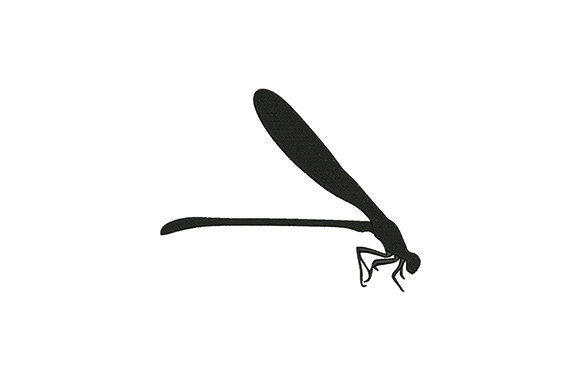
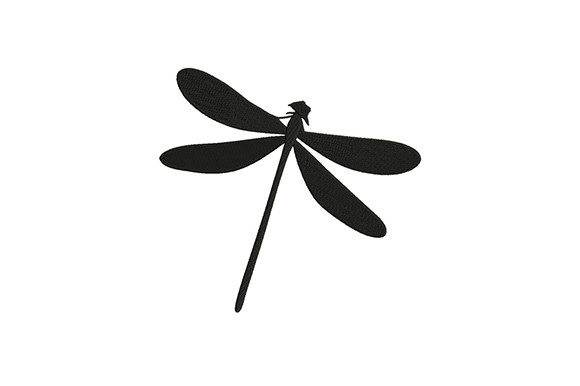
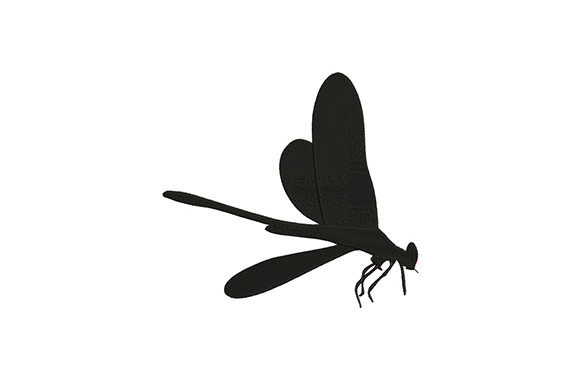
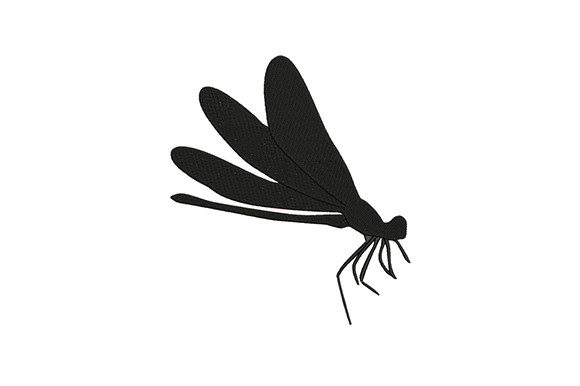
The first thing that strikes you about Sitting Dragonfly is its simplicity. In a market saturated with overly complex, multi-colored designs, this single-color approach offers a refreshing change of pace. The visual mood is calm and organic, fitting perfectly within the Bugs category without feeling cartoonish or juvenile. It has a decorative appeal that leans towards modern farmhouse or minimalist botanical aesthetics.
The detail level is balanced. It is intricate enough to be recognizable as a dragonfly, with distinct wing structures and body segmentation, yet it avoids the micro-details that often cause issues on home embroidery machines. The stitching personality appears clean, relying on a mix of techniques that likely include running stitch for outlines and potentially fill stitch or satin stitch for the body, depending on the specific digitization choices made by the creator. This makes it versatile for various design assets in your portfolio.
Real-World Application for Handmade Products
When I evaluate a machine embroidery design, I immediately visualize where it will live on a finished product. For Sitting Dragonfly, the applications are broad. Because it uses only one color, it is incredibly cost-effective and time-efficient for small business owners. You are not stopping to change threads, which significantly speeds up production time for bulk orders.
I tested this concept mentally against several common items. For a tote bag design, the dragonfly sits beautifully on canvas, offering a subtle nature-inspired accent. On a sweatshirt embroidery project, placed on the left chest or near the hem, it adds a touch of elegance without overwhelming the garment. It also works exceptionally well for custom apparel like linen aprons or kitchen towels, where a single-color motif looks intentional and high-end rather than cluttered.
For those selling on Etsy or at craft fairs, this design is a strong candidate for personalized gift items. Imagine it paired with a monogram on a baby blanket or a nursery decor pillow cover. The simplicity allows it to complement other elements rather than compete with them. It is also ideal for creating an embroidered patch, as the single-color format translates well to felt or twill backings.
Technical Performance and Stitching Notes
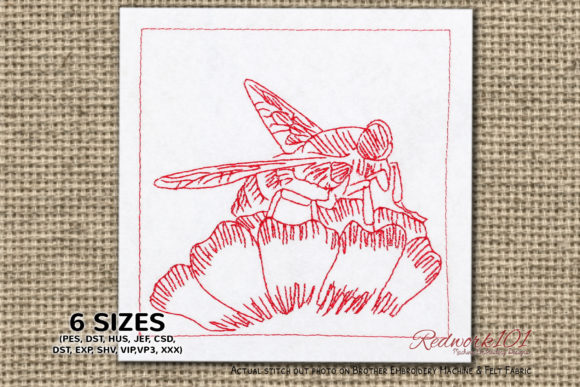
Now, let us talk about the technical side. The product description lists an impressive array of embroidery file formats, including DST, PES, JEF, EXP, and VIP, among others. This wide compatibility is a huge plus for designers who switch between different machine brands. However, since the specific stitch count and exact hoop size requirements are not explicitly detailed in the brief overview, I strongly advise checking the full product page on Creative Fabrica embroidery before purchasing. Knowing the exact dimensions is crucial to ensure it fits your intended hoop.
One critical aspect to consider is stitch density. Single-color designs can sometimes be dense if the digitizer uses too many fills. Before running this on a final customer item, always test on scrap fabric. Check how the wings lay flat. If the design includes fine lines, ensure your needle is sharp and your tension is balanced. For textured fabrics like terry cloth towels, you may need a cut-away stabilizer to prevent the design from sinking into the pile. Conversely, for stretchy fabrics like sweatshirts, a tear-away stabilizer might suffice, but always test first to avoid distortion.
Since this is a single-color design, your choice of thread colors becomes the primary driver of visual impact. On dark fabric, a metallic or bright white thread can make the dragonfly pop. On light linen, a deep navy or forest green creates a sophisticated, understated look. I recommend creating printable mockup images in various colorways to show potential buyers how versatile the design can be.
Commercial Viability and Brand Consistency
For commercial embroidery projects, consistency is key. Sitting Dragonfly offers a level of professionalism that builds buyer trust. It does not look like a cheap, mass-produced sticker; it looks like a deliberate design choice. This enhances the perceived value of your handmade product. When customers see clean, well-executed single-color embroidery, they often associate it with higher quality craftsmanship.
Furthermore, using a cohesive design like this helps with brand consistency. If your shop focuses on nature-inspired or minimalist goods, this dragonfly fits seamlessly into that narrative. It allows you to create a collection—perhaps pairing it with other bug or botanical motifs—that feels curated rather than random. This cohesion can lead to higher customer engagement and repeat purchases, as buyers appreciate a shop with a clear aesthetic vision.
Final Verdict and Practical Tips
Is Sitting Dragonfly worth downloading? Based on its versatility, single-color efficiency, and broad file format support, yes, it is a solid addition to a professional designer’s library. However, success lies in the execution. Here are my final tips for using this design:
- Check the Details: Before buying, confirm the exact hoop size and stitch count on the Creative Fabrica product page to ensure it matches your machine’s capabilities.
- Test First: Always stitch out a sample on the same type of fabric you plan to use for the final product. Pay attention to how the wings connect to the body.
- Contrast Matters: Since it is one color, ensure high contrast between the thread and the fabric for maximum visibility, unless you are aiming for a subtle, tonal effect.
- Stabilizer Choice: Match your stabilizer to the fabric weight. Heavier fabrics may need less stabilization, while lightweight linens require careful backing to prevent puckering.
- Licensing: Review the license terms provided by the designer on Creative Fabrica to ensure you are compliant when selling finished items commercially.
In conclusion, Sitting Dragonfly is a practical, aesthetically pleasing choice for designers looking to expand their repertoire of nature-themed Embroidery designs. It bridges the gap between decorative charm and commercial practicality, making it a reliable tool for your next creative project.