Staffy Terrier: A Designer’s Review for Craft Fair Success
As an embroidery designer who has spent countless hours digitizing and testing patterns, I know that not every design translates well from screen to fabric. When I first loaded the Staffy Terrier file into my software, I was looking for more than just a cute image. I was evaluating its potential as a high-converting craft fair product. For those of us running small businesses, whether we are Etsy sellers or weekend market vendors, the difference between a design that sits on the shelf and one that sells out lies in its visual impact and production practicality.
First Impressions and Visual Appeal
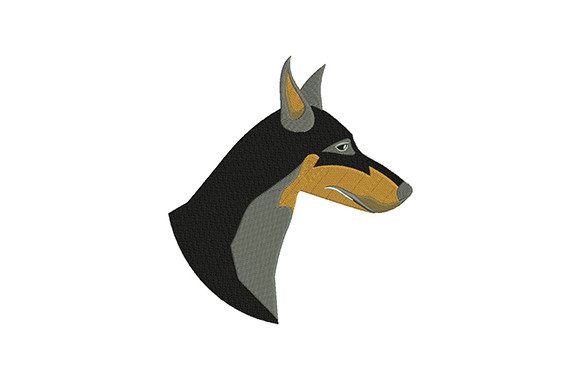
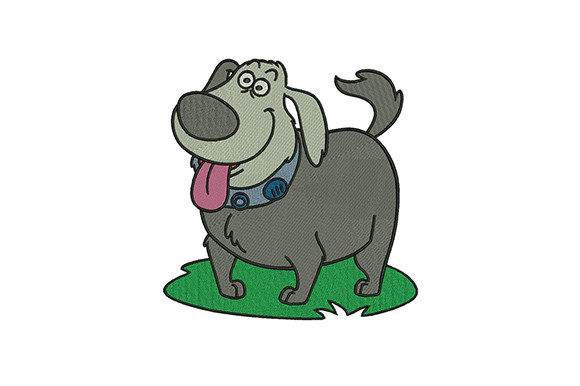
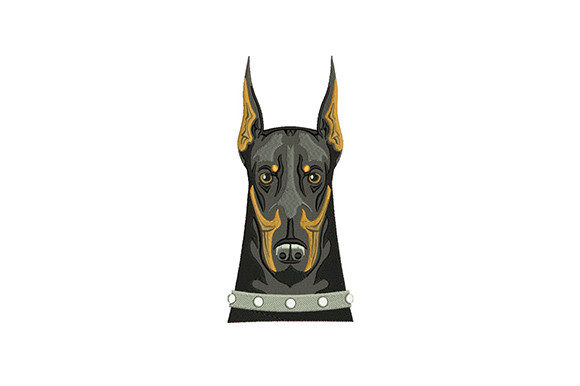
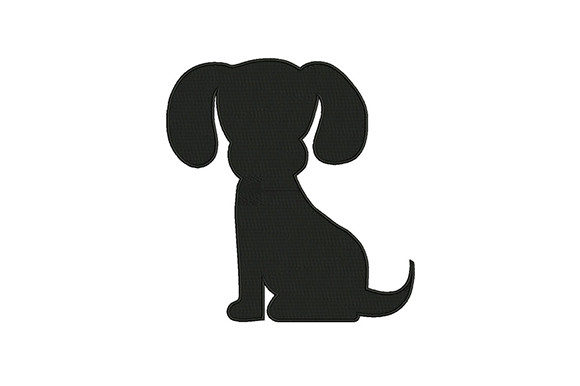
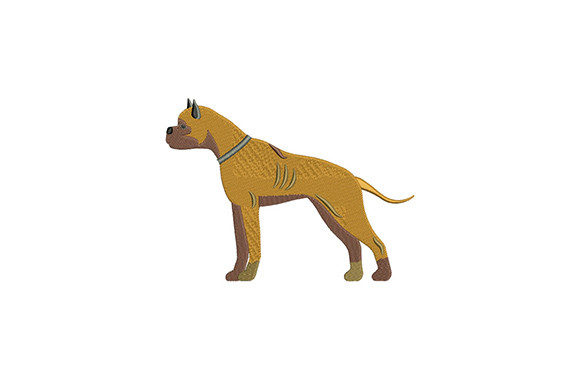
The immediate reaction to this machine embroidery design is warmth. It captures the sturdy, affectionate nature of the breed without becoming overly complex. In the world of Dogs themed merchandise, simplicity often wins. Customers at a busy craft fair do not have time to squint at intricate details. They need to recognize the subject instantly. This design feels approachable and friendly, striking a balance between modern minimalism and traditional charm. It does not scream for attention with neon brightness but rather invites a closer look with its solid, confident lines.
For a handmade product line, consistency is key. This design fits seamlessly into a broader collection of pet-themed items. It feels right at home alongside other animal motifs, creating a cohesive brand aesthetic. Whether your shop vibe is rustic farmhouse or clean contemporary, the Staffy Terrier adapts well because it relies on shape and character rather than trendy effects that might date quickly.
Product Versatility and Market Fit
One of the strongest assets of this pattern is its adaptability. I tested it mentally against several standard small shop product categories to see where it would perform best.
- Tote Bags: A canvas tote is the perfect canvas for this design. The sturdy fabric supports the stitches well, and the design serves as a fantastic tote bag design that appeals to dog lovers who want to show off their breed pride while grocery shopping.
- Aprons and Tea Towels: Kitchen textiles are huge sellers. An apron embroidery featuring this terrier adds personality to a functional item. Similarly, tea towel embroidery benefits from designs that are not too dense, allowing the towel to remain absorbent and soft.
- Caps and Hats: Placing this on a curved surface requires careful hooping, but the compact nature of the design makes it ideal for a front-panel accent on baseball caps. It avoids the distortion issues that larger, wider designs often suffer from on curved brims.
- Embroidered Patches: If you offer custom patches, this design is a strong contender. It can be stitched out on twill, cut, and heat-pressed onto jackets or backpacks, offering customers a DIY customization option.
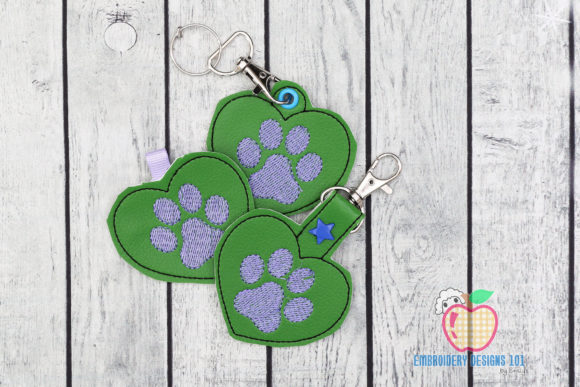
When considering commercial embroidery applications, think about giftability. A pillow cover or a small fabric pouch featuring this terrier makes for an excellent impulse buy. These are low-commitment purchases for customers who love dogs but might not want a large garment.
Production Practicalities for the Busy Maker
From a production standpoint, efficiency is vital. You cannot spend three hours hoop-and-stitching a single item if you want to maintain healthy margins. This digital embroidery file appears to be optimized for speed without sacrificing quality. The stitch paths seem logical, minimizing jumps and trims which speeds up the machine runtime.
However, there are critical technical considerations. Always check the stitch density. If the design is too dense, it can cause puckering, especially on lighter fabrics like cotton tea towels. Conversely, if it is too sparse, the backing fabric might show through, ruining the professional look. I recommend running a test stitch on scrap fabric similar to your final product material. This allows you to adjust tension and ensure the thread colors provide enough contrast against the fabric background.
Another factor is the hoop size. Ensure you know the maximum dimensions of the design. If it is small, it might get lost on a large jacket back. If it is large, it might not fit on a standard cap frame. Knowing these limits helps you plan your inventory mix effectively.
Marketing and Display Strategies
How does this design photograph? In online listings, clarity is everything. Use a printable mockup to visualize the design on different colored garments before you even stitch a single thread. This saves time and material. For your physical booth, display the Staffy Terrier on items that demonstrate its versatility. Hang a jacket next to a tote bag to show how the same design works on different textures.
Customer engagement increases when they can see the quality up close. The texture of Embroidery adds a tactile element that prints cannot match. Encourage customers to touch the samples. Feel the raised stitches. This sensory experience reinforces the value of a finished product made by hand.
Careful-Use Notes for Best Results
To ensure every item you sell meets professional standards, keep these tips in mind:
- Fabric Texture: Avoid highly textured fabrics like thick terry cloth unless you use a water-soluble topping. The small details of the terrier’s face might get lost in the pile.
- Dark Fabrics: If stitching on black or navy, ensure your thread colors are vibrant. Consider using a light-colored underlay or stabilizer to prevent the dark fabric from dulling the top threads.
- Stabilizer Choice: Use the right stabilizer for the fabric weight. Cut-away stabilizer is generally better for garments that will be washed frequently, ensuring the design stays crisp over time.
- Commercial Licensing: Before selling any design assets or finished goods, confirm the license terms of your embroidery file. Most designers allow commercial use for finished physical products, but always double-check to protect your business.
In conclusion, the Staffy Terrier is a reliable, charming addition to any embroidery portfolio. It balances aesthetic appeal with production efficiency, making it a smart choice for craft fair vendors and online sellers alike. By paying attention to fabric choice, stabilizer, and presentation, you can turn this digital file into a best-selling staple of your handmade shop.