Reviewing Orange Tropical Fish for Craft Fair Success
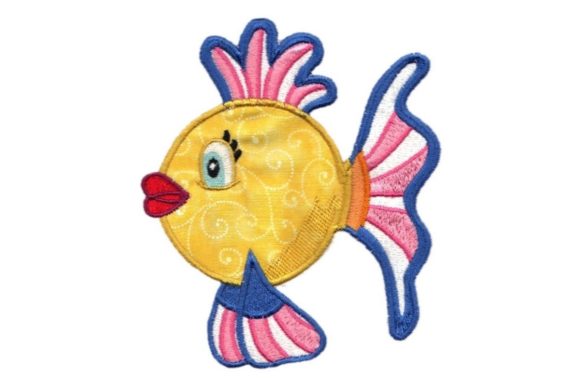
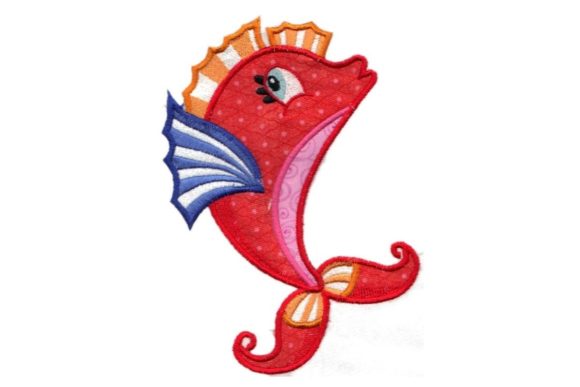
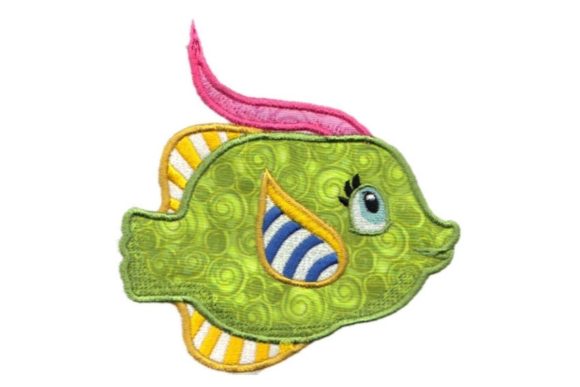
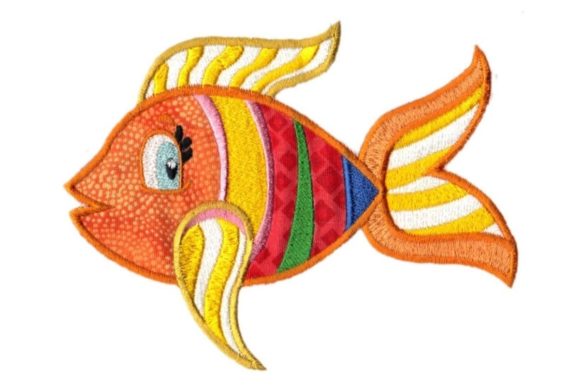
As an embroidery designer who has spent countless weekends behind a booth table, I know that not every design translates well from the computer screen to a physical product. When I first pulled up the Orange Tropical Fish machine embroidery design, my immediate thought was about visibility. In a crowded craft fair environment, you have seconds to catch a passerby’s eye. This design, with its vibrant subject matter and applique construction, offers a distinct advantage for sellers looking to create high-impact handmade products.
First Impressions and Market Appeal
The title alone suggests a bold, cheerful aesthetic. Unlike subtle farmhouse motifs or minimalist line art, an orange tropical fish is inherently playful and eye-catching. It feels modern yet timeless, appealing to a wide demographic ranging from parents buying children’s clothing to adults looking for bright kitchen decor. The use of machine applique is a strategic choice here. Applique allows for large areas of color without the excessive stitch count that can make a design feel stiff or heavy. For a craft fair seller, this means faster production times and a softer hand feel on the finished product, which customers love to touch.
When evaluating this as a potential bestseller, I look for versatility. Does it fit the current trends? Yes. Bright, nature-inspired motifs are perennial favorites in the small shop product market. The design does not scream "seasonal" in a limiting way; while it evokes summer, it works year-round as a pop of color in neutral home decor or as a fun accent on everyday items.
Strategic Product Placement for Maximum Sales
To truly leverage this embroidery file, you must pair it with the right substrate. Based on the description stating it is suitable for towels, bath supplies, and children’s clothing, here is how I would position it in my booth:
- Kitchen and Bath Linens: This is the strongest category. A bright orange fish on a crisp white tea towel embroidery creates an instant focal point. It photographs beautifully for your Etsy seller listings because the contrast is sharp. Consider pairing it with solid colored towels to let the applique fabric shine.
- Children’s Apparel: The playful nature of a fish makes it ideal for kids' t-shirts or swim cover-ups. However, ensure the applique edges are secured well, as children are rough on their clothes. This adds perceived value to a basic garment, turning it into a premium handmade product.
- Tote Bag Design: A canvas tote with a large central fish motif is a staple craft fair product. The durability of canvas supports the weight of the applique and stabilizer without puckering. It serves as a walking advertisement for your brand when customers carry their purchases home.
- Embroidered Patches: If the design scales down well, creating iron-on patches allows customers to customize their own denim jackets or backpacks. This is a low-cost, high-margin item that attracts impulse buyers.
Production Practicalities and Quality Control
From a production standpoint, machine applique designs are generally faster to stitch than full-fill satin or dense fill designs. However, there are critical technical considerations to address before you commit to batch production for your commercial embroidery business.
First, consider the stitch density of the tack-down and finish stitches. Since the description notes that these designs are meant for machine applique, you will be cutting fabric. You must ensure the zigzag or satin border is dense enough to cover the raw edge of your applique fabric but not so dense that it perforates delicate materials like thin cotton voile or lightweight children’s clothing fabrics.
Second, pay attention to thread colors. An orange fish requires a vibrant orange thread for any detail work, such as eyes or fins, if they are stitched rather than appliqued. Ensure your thread palette matches the fabric you choose for the applique piece. A mismatch here can look cheap and detract from the professional quality of the finished product.
Third, evaluate the hoop size requirements. While the specific dimensions are not listed in the brief description, tropical fish designs often benefit from a larger hoop to allow for proper scaling. If you are working with a 4x4 inch hoop, you may be limited to smaller items like pockets or patches. For tote bags and apron embroidery, a 5x7 or larger hoop is preferable to give the design breathing room.
Navigating Fabric Texture and Stabilizer Choices
The description mentions towels and bath supplies. Terry cloth and waffle weave fabrics present unique challenges. The loops in terry cloth can interfere with the precision of the applique placement. To combat this, use a strong cut-away stabilizer rather than tear-away. This provides the necessary support to keep the design flat and prevents the fabric from sinking into the stitches. Always test the design on scrap fabric that matches your production material exactly. Do not skip this step. A design that looks perfect on smooth cotton may pucker or distort on textured towels.
For curved surfaces like caps, the design might need adjustment. A large tropical fish may not conform well to the front panel of a baseball cap without distortion. If you plan to offer caps, consider resizing the design significantly or placing it on a flat-brimmed hat where the surface area is more stable.
Enhancing Visual Appeal and Brand Consistency
In a booth display, consistency is key. If you use the Orange Tropical Fish on multiple items, vary the background colors to show versatility. Show it on navy blue, mint green, and white. This helps customers visualize the design in their own homes. Use high-quality lighting to highlight the texture of the applique fabric. A matte cotton applique will look different than a shiny satin one; choose the finish that aligns with your brand identity.
For your online presence, create a printable mockup or digital composite showing the design on various items. This saves time on photography while still giving potential buyers a clear idea of scale and application. As a digital embroidery file provider, if you are selling the design itself, include these mockups in your design assets to help other makers visualize the potential.
Final Designer Notes for Sellers
Before launching this as a core part of your inventory, review the instructions included with the file. The prompt states, "Please follow the instructions inclu," which implies there are specific steps for layering the applique fabric. Ignoring these can lead to misaligned layers and wasted materials.
Additionally, confirm the commercial licensing terms. Just because you bought the digital embroidery file does not automatically grant you the right to sell mass-produced items if the license is for personal use only. Most designers offer commercial licenses for small shop products, but you must verify this to protect your business.
Finally, check the clarity of small details. If the fish has tiny eyes or intricate fins, ensure they do not get lost when the design is scaled down. If the details become muddy, simplify the thread colors or increase the size. The goal is a clean, crisp look that screams quality.
The Orange Tropical Fish is a strong contender for your next craft fair lineup. It balances ease of production with high visual impact. By focusing on the right fabrics, using proper stabilizers, and presenting it on versatile items like tote bags and tea towels, you can create a cohesive collection that draws customers in and keeps them engaged with your handmade brand.